
In today’s increasingly stressful world, managing stress is a crucial aspect of maintaining health and well-being. As if coping with our stressors wasn’t enough, negative images flood our minds from the news, social media, and other sources. A great and easy way to counteract this is through visualization. Also known as guided imagery or mental imagery, visualization involves using the power of your mind to create calming, peaceful scenarios, which can help reduce anxiety, improve focus, and even contribute to physical relaxation. Let’s explore more about what visualization is, the benefits, why it works for stress reduction, and how to use this powerful and effective tool when you’re feeling stressed.
For a condensed video version of this, click the link to see it on YouTube https://youtu.be/CsjosZtWUFU
WHAT IS VISUALIZATION?
Visualization is a process that allows you to focus your mind on positive images, feelings, or experiences. To use for stress management, it involves mentally picturing soothing or positive scenes, like a “mental escape.” This practice engages all of your senses—sight, sound, smell, touch, and sometimes taste—helping you immerse yourself in a state of tranquility. Sounds great doesn’t it?
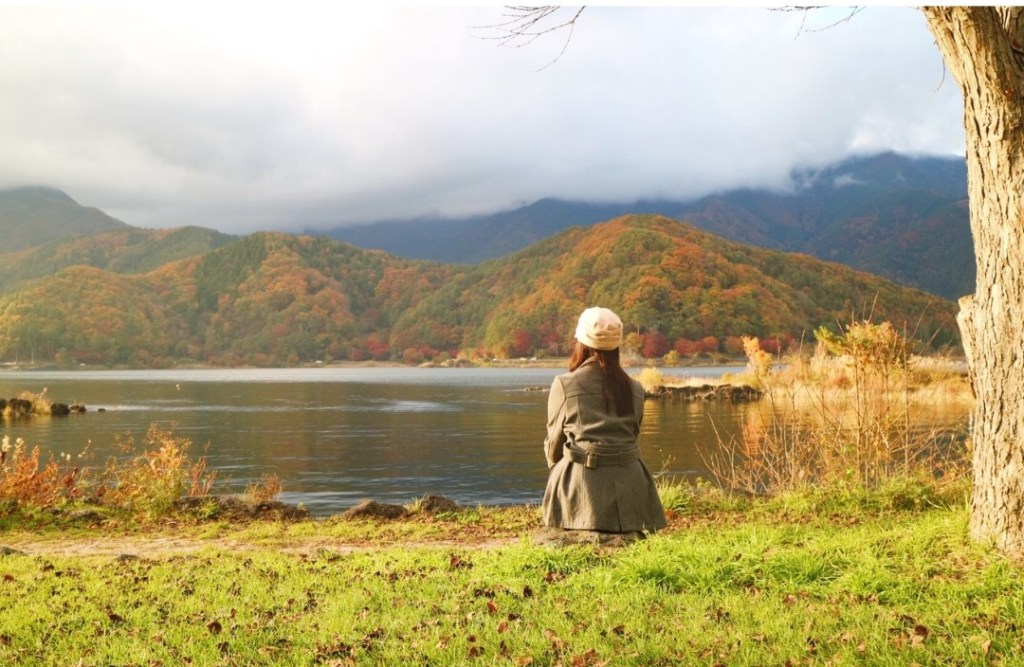
The key is to focus your mind on a scene that brings you comfort, safety, and relaxation. This might be imagining yourself on a serene beach, hiking through a quiet forest, or simply lying in a peaceful meadow. How does this benefit you?

BENEFITS OF VISUALIZATION
Research has shown that visualization can have numerous benefits for stress reduction, including:
- Lowered cortisol levels
- Enhanced mood
- Improved focus and clarity
- Better sleep (especially if done right before sleeping)
WHY VISUALIZATION REDUCES STRESS
1. Activates the Relaxation Response: When you’re stressed, your body activates its “fight or flight” response, leading to increased heart rate, rapid breathing, and muscle tension. Visualization helps to counteract this response by activating the parasympathetic nervous system, which is responsible for the body’s relaxation response. As you mentally immerse yourself in a calming scene, your body naturally relaxes, leading to lower blood pressure, slower breathing, and reduced muscle tension. Less “fight or flight” and more “relax and chill out”.
2. Diverts Attention from Stressors: One of the most significant benefits of visualization is its ability to divert your focus away from the stressors in your life. Whether you’re dealing with work pressure, personal challenges, or anxiety, visualization provides a mental “time out.” By shifting your attention to a peaceful image, you give your mind a break from the worries and stressors that may be overwhelming you, which can help reduce anxiety levels and improve your overall mood.
3. Promotes Mindfulness: Visualization requires you to be present and fully engaged with the mental image you’re creating. This relates to mindfulness, which involves staying grounded in the present moment. Being mindful helps you avoid getting caught up in the negative thoughts that often accompany stress, and instead encourages you to focus on something positive. Very similar to the mental “time out” mentioned in the second point, it relaxes your mind which relaxes your body.
4. Improves Emotional Regulation: Regular practice of visualization can also improve your ability to regulate emotions so you can turn off the negative and switch to positive. When you practice positive imagery consistently, your brain becomes accustomed to switching from a state of anxiety to a state of calm more efficiently. This emotional regulation is key to managing stress in a healthy way. Over time, you may find that it becomes easier to let go of stress and approach challenges with a more relaxed, positive mindset. What a great boost to our mental health.
5. Boosts Confidence and Motivation: In addition to calming the mind, visualization can be used to imagine yourself successfully overcoming stressful situations. For example, before a big presentation or stressful event, you can mentally rehearse the scenario, imagining yourself feeling confident, composed, and successful. Because your mind is no longer thinking of all of the potential negative “what if” scenarios, this type of visualization helps to reduce anticipatory anxiety, boost self-confidence, and build a sense of control over potentially stressful situations.
HOW TO PRACTICE VISUALIZATION
It’s pretty simple to do visualization. Here is a guide and tips for starting off. If you’re going to spend 5-10 minutes or longer, you can set an alarm on your device. This way you can fully relax instead of worrying about if you’ve gone over the amount of time you have.
1. Find a Quiet Space: Start by sitting or lying down in a quiet, comfortable environment where you won’t be disturbed. If you have kids, ask someone to watch them for 5-10 minutes. If you have pets that demand your attention, use the time they are eating or something else that occupies them to do your visualization.
2. Close Your Eyes and Relax: Close your eyes, take a few deep breaths, and begin to relax your muscles. You could do a breathing technique in preparation. Or simply breathe in deeply through your nose and exhale slowly through your mouth.
3. Create Your Mental Image: Begin to imagine a place that brings you peace and comfort. This could be a beach, a forest, a mountain, or any other environment where you feel safe and calm. You can be still or slowly moving in your scene.
4. Immerse Yourself in the Scene: As you continue to visualize the scene, imagine yourself fully present in that environment. Picture the colors, sounds, smells, and textures of this place in as much detail as possible. Feel the warmth of the sun, hear the sound of waves or wind, and notice the soothing sensations in your body. Allow yourself to relax deeply as you immerse yourself in the mental image.
5. Stay in the Moment: Allow yourself to remain fully focused on the scene. Spend 5-10 minutes visualizing this peaceful place. If your mind starts to wander, gently bring it back to the image.
6. Return Slowly: When you’re ready to finish, gradually bring your awareness back to your current environment. Take a few deep breaths and slowly open your eyes. Notice how relaxed and centered you feel.
Additional Tip: If it seems difficult to imagine peaceful scenarios, you can use videos of your favorite place (beach, forest, etc) that has calming music. The video does the visualization for you.
IN CONCLUSION
Visualization is a simple yet powerful tool for stress management. It requires no special equipment, can be practiced almost anywhere, and offers immediate relief from the mental and physical symptoms of stress. By incorporating visualization into your daily routine, you can cultivate a more relaxed, positive mindset and better manage the challenges life throws your way. And you know it will. So, whether you’re dealing with chronic stress or just need a quick mental break, visualization is a valuable technique that can help you regain a sense of much needed calm and balance.
The result is a happier you!


 Stress Less Today